
FAQ
Frequently Asked Questions
- What do orthodontists do?
Orthodontists are dental specialists who diagnose and treat problems with the position, alignment or spacing of the teeth, and related irregularities in the face and the jaw. We use a number of special treatments, including braces and other oral appliances, to correct these problems. To become an orthodontic specialist, your care providers had to complete 4 years of dental school followed by an additional 2-3 years at an orthodontic residency program.
- Why should I (or my loved ones) get orthodontic treatment?
There are two good reasons: aesthetics and function. Having an attractive smile not only changes the way people see you — it enhances your own self-image as well. Orthodontic treatment also allows your teeth to function better and makes it easier to keep them clean, which can improve your overall health.
- When should orthodontic treatment be started?
You're never too old to begin orthodontic treatment — but if you start at an earlier age, your problems may be easier to treat. The American Association of Orthodontists recommends that a child who may need orthodontic treatment should come in for a first visit around age 7—at such a young age, we often defer treatment if possible; however, the examination is complimentary and can give insight into future needs.
- How can I recognize a potential bite problem?
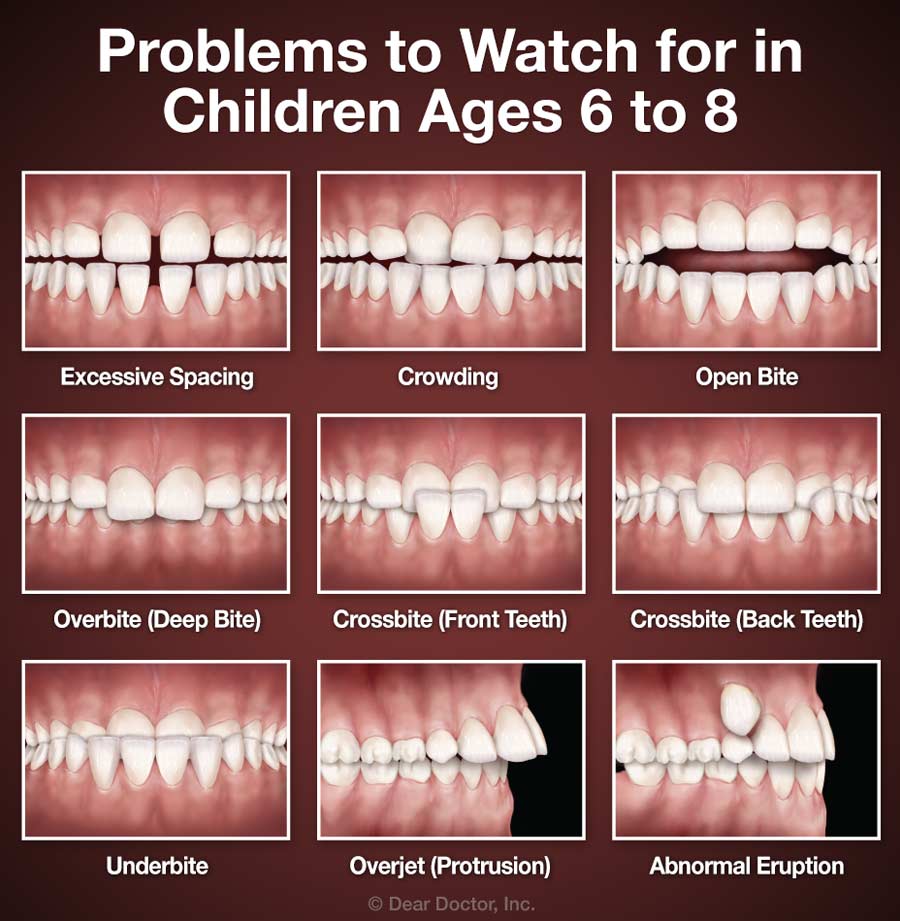
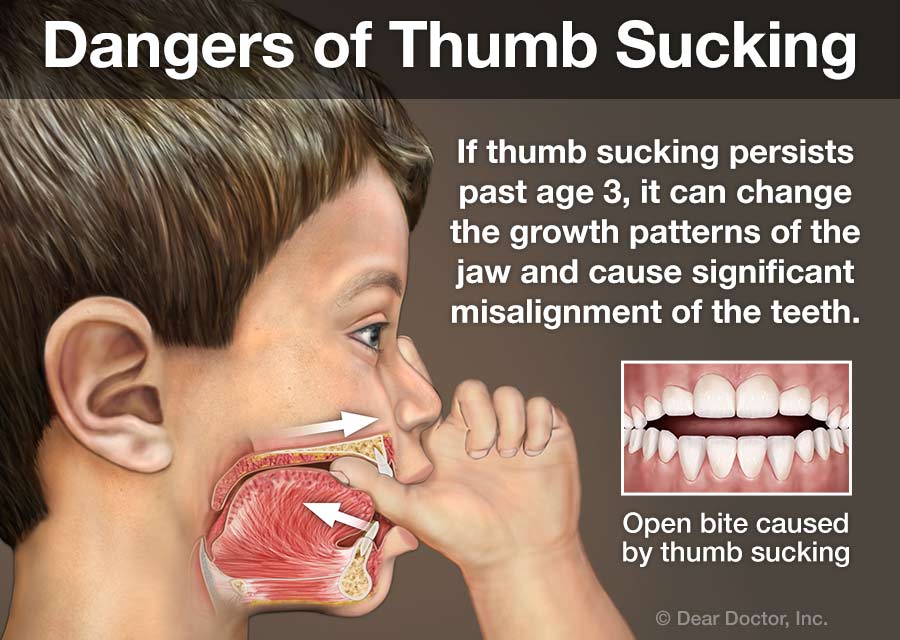
Teeth that are protruding, crowded together or erupting out of position are clear indications that treatment is needed (View Examples). Less obvious signs are mouth breathing, frequent biting of the cheek or palate, speech difficulties, and thumb sucking that goes past 3-4 years of age. If teeth don't meet properly when the mouth closes, or if jaws make sounds or shift as they move, this may also indicate an orthodontic problem.
- Does getting braces hurt? What about wearing them?
Having braces put on is generally painless. There are never any needles used in our office and braces themselves are placed onto clean teeth just like stickers. Some people experience minor aches and pains in the first couple of days or so, as they adjust to wearing their appliances; periodic adjustments may sometimes cause soreness as well, though it typically lasts only a short time. Over-the-counter pain relievers can be used to alleviate any discomfort, but are usually unnecessary. If you know that you tend to be particularly sensitive to discomfort, that’s okay! We would recommend that you take an over-the-counter pain reliever (like Tylenol or Motrin) prior to your braces being placed as this can go a long way towards alleviating these sensations.
- How long will treatment take?
It's different for each person, but generally the active stage of treatment (that is, wearing braces or other appliances) may take from 6-30 months. After that, a retainer is worn to maintain your beautiful results.
- How often will I come in for an appointment?
It depends on what's being done, and how often you need to be monitored. During active treatment, you'll typically come in to our office once every 4 to 10 weeks.
- Will I need to have any teeth extracted?
If your teeth are severely crowded (because your mouth is too small to properly accommodate all of them and expansion won’t resolve the issue) — or if you have impacted teeth (teeth that are trapped beneath the gum line by other teeth) — then extraction may be necessary. In the case of younger patients, early treatment may make extraction unnecessary. Rest assured, we will only recommend the removal of permanent teeth if all other options have been ruled out. We will always take time to educate our patients and their families on every aspect of orthodontic treatment, including this one.
- Will I have to watch what I eat?
Yes — for the (relatively) short period of time that you have orthodontic appliances you will have to make intentional choices about what you eat. For example, you should pass up the types of foods that could damage or become trapped in your braces. Some of these include raw vegetables, hard candy, caramel, taffy and ice cubes (fortunately, ice cream is OK). We will give you a list of foods to skip. However, we think you’ll be surprised by all of the foods that you still CAN eat!
- Will I be able to play sports/ play my instrument?
In a word: Yes. Of course, whether you wear braces or not, we recommend you wear a mouthguard when playing most sports. We will provide you with a suitable mouthguard for your sport at no charge. Musicians are generally able to play their instruments just as they did before, but they may need a short adjustment period after getting braces.
- Do I still need to see my regular dentist while I'm getting orthodontic treatment?
Absolutely — in fact, it's more important than ever! Keeping teeth free of plaque (and potentially, decay) can be challenging when you're wearing braces. Your dentist can help you avoid these problems with frequent cleanings and exams.
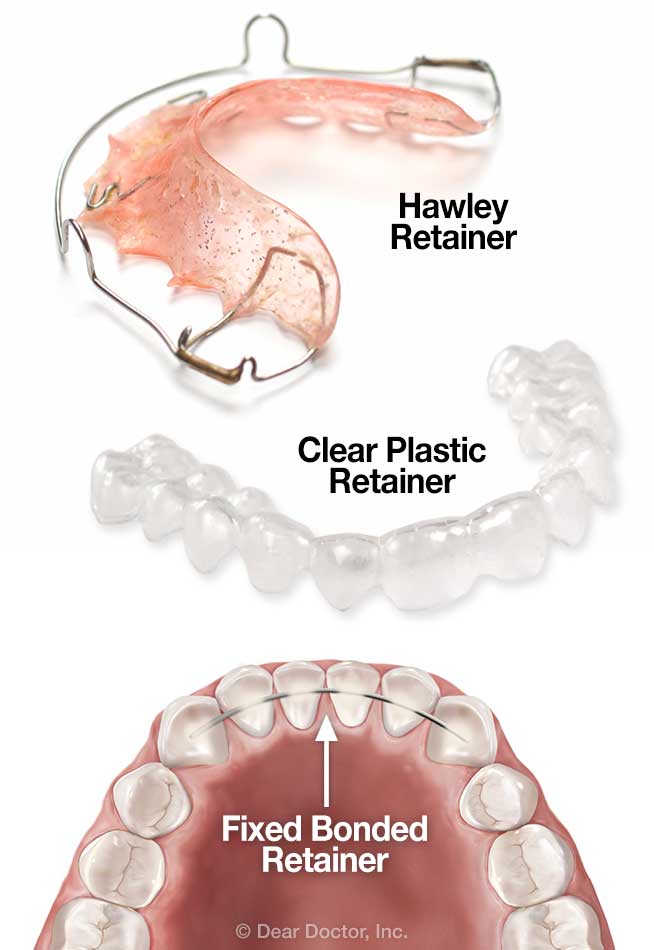
- Will I wear a retainer when my braces come off?
Almost always, the answer is yes: If you don't wear a retainer, your teeth can rapidly shift out of position — and then all the effort put into your treatment is lost! Your retainer helps you maintain that good-looking smile for a lifetime.
- Is orthodontic care very expensive?
Orthodontic care is a long-term investment in your health and well-being. Yet its cost hasn't increased as fast as many other consumer prices, and many financing options are available that make orthodontic care affordable. Weighed against the true cost of living with problem teeth, orthodontic treatment can be a wise investment
Related Articles